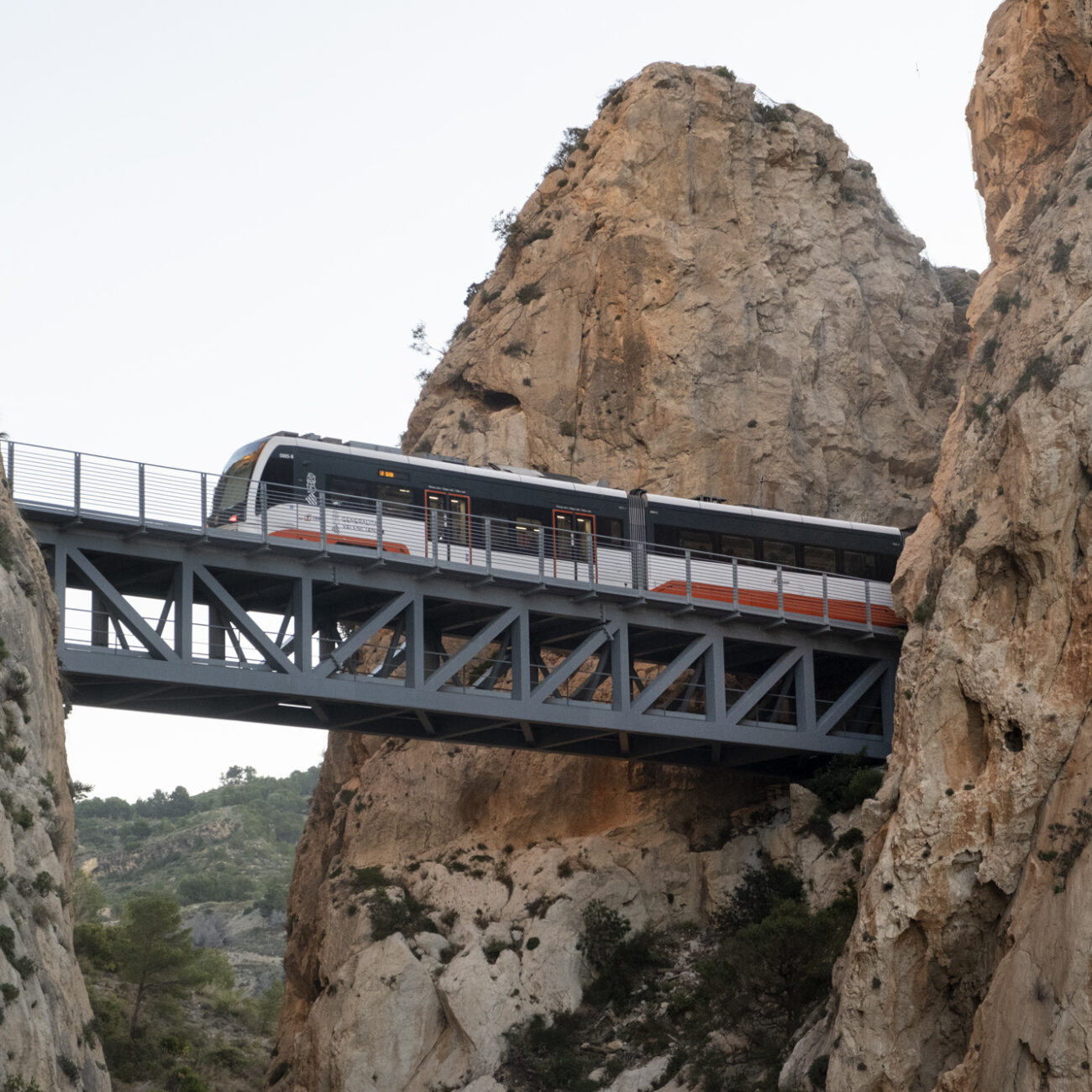
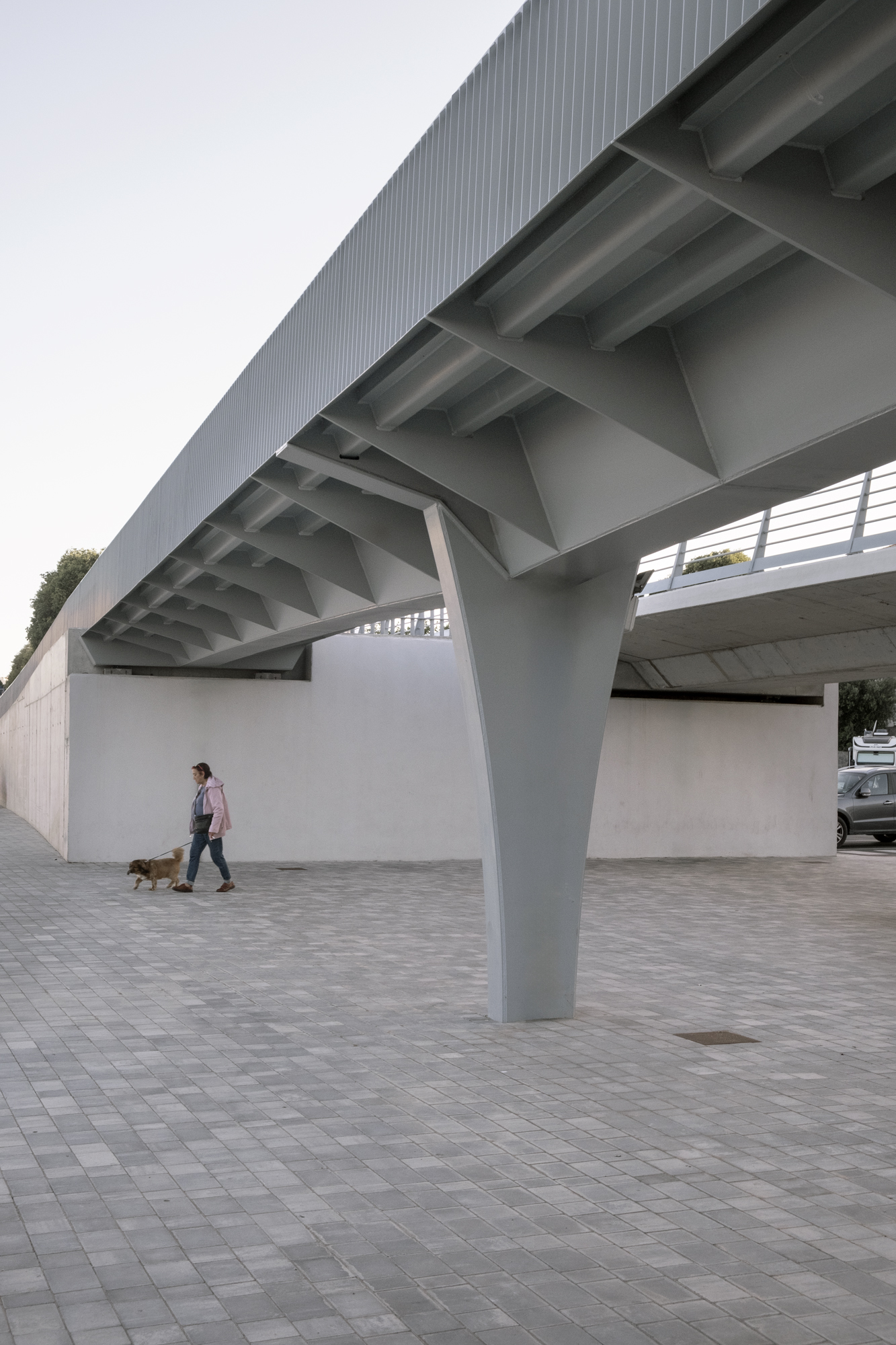
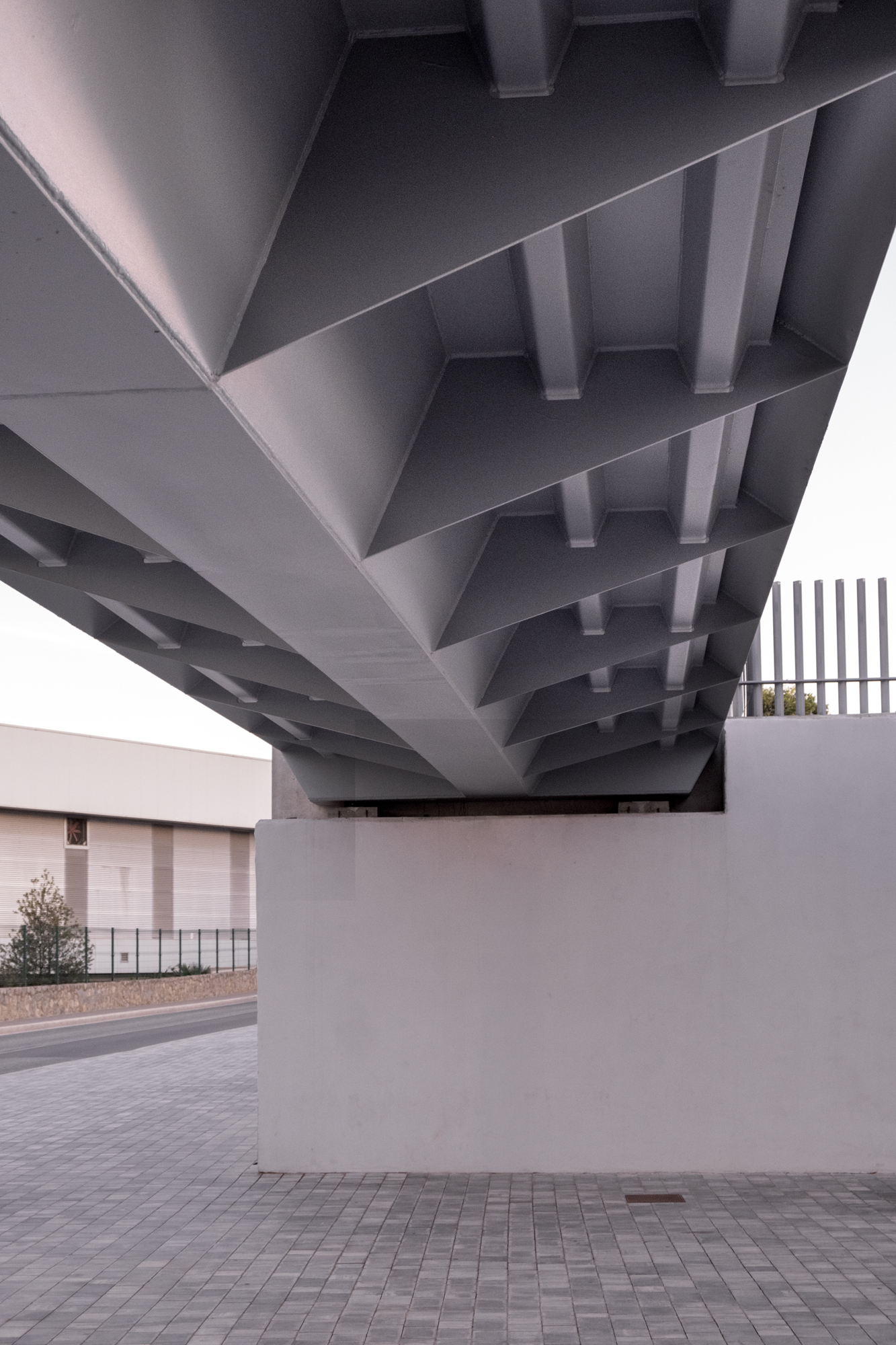
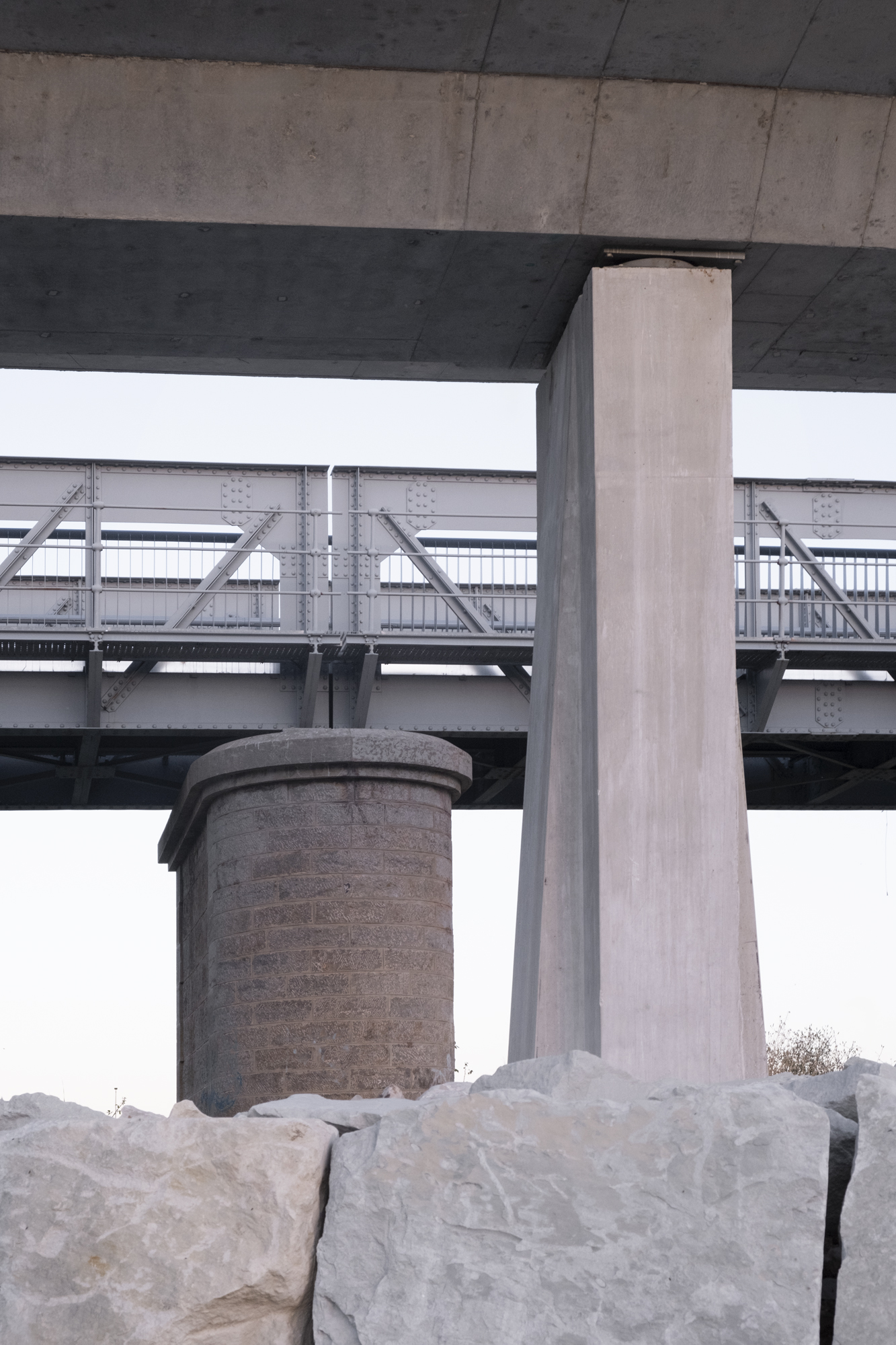
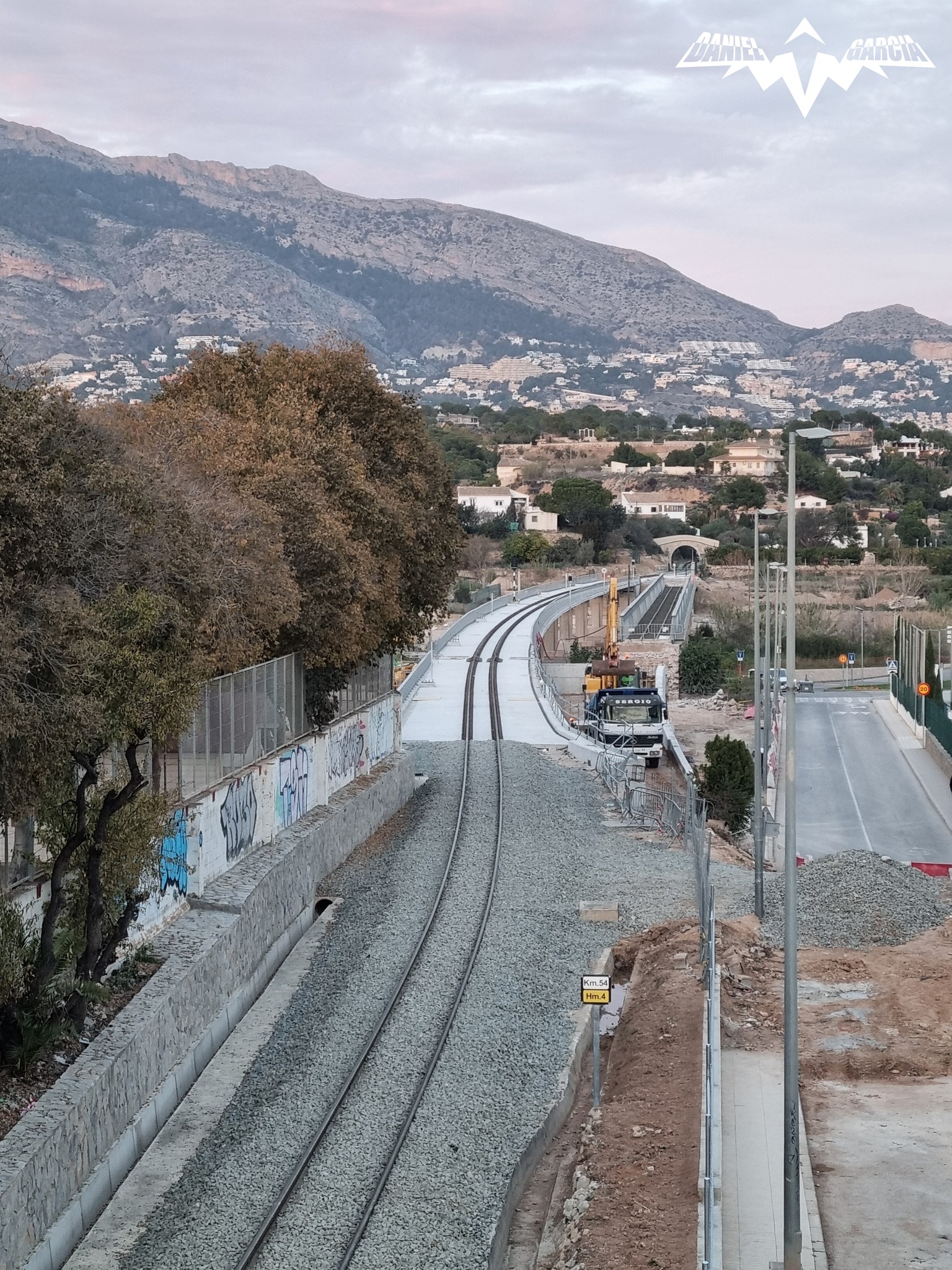
As a result of various studies conducted in the early 2020s, FGV decided to replace two viaducts on Line 9: the Algar and Mascarat viaducts. Both displayed fatigue issues, and furthermore, the electrification of the line would necessitate the passage of new, heavier-load trains.
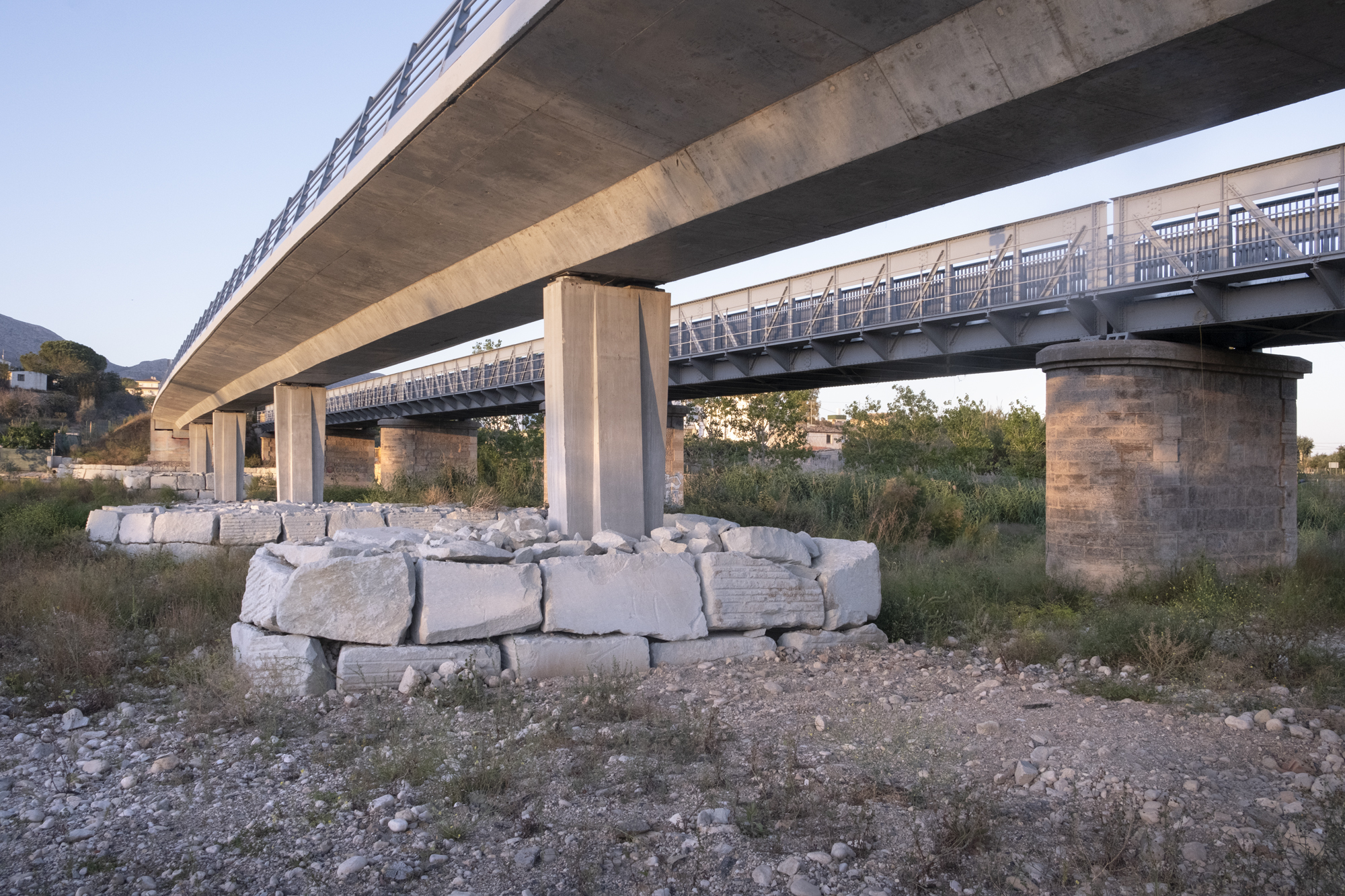
The viaduct over the Algar River is located between the Garganes and Cap Negret stations on Line 9 of the Alicante Tram, which connects the towns of Dénia and Benidorm. Specifically, along the section between Altea and Dénia. The original viaduct dates back to 1915 and retained features characteristic of that era: it was a narrow-gauge, non-electrified line. It was a steel-deck viaduct with a total length of 175.90 m, distributed across 8 identical isostatic spans with a distance of 22 m between pier axes. The U-shaped cross-section consisted of two Pratt-type trusses on the sides, housing a platform that contained a single track centered along the entire length of the bridge, along with pedestrian walkways on both sides, protected by railings. These trusses were linked by transverse joists and lower deck bracing composed of angle diagonals forming St. Andrew’s Cross patterns. This bridge is listed and holds great heritage value.
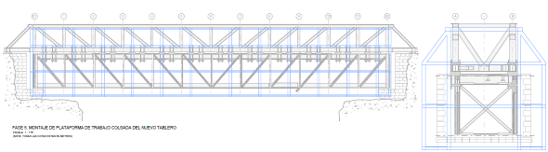
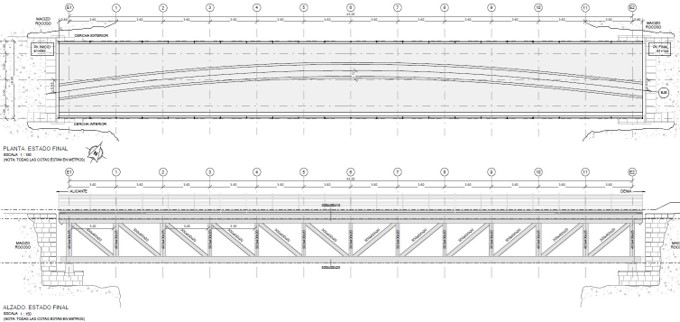
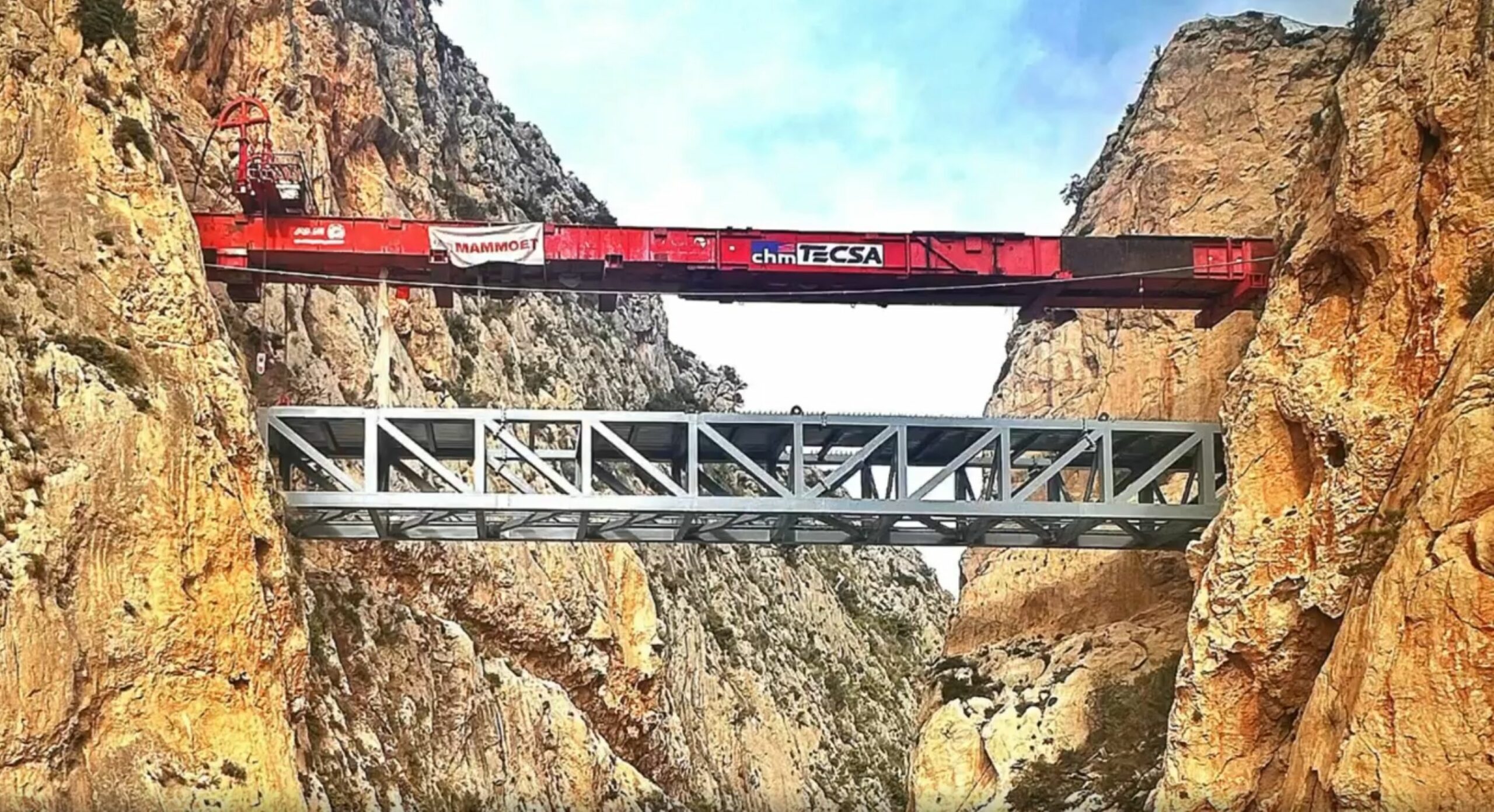
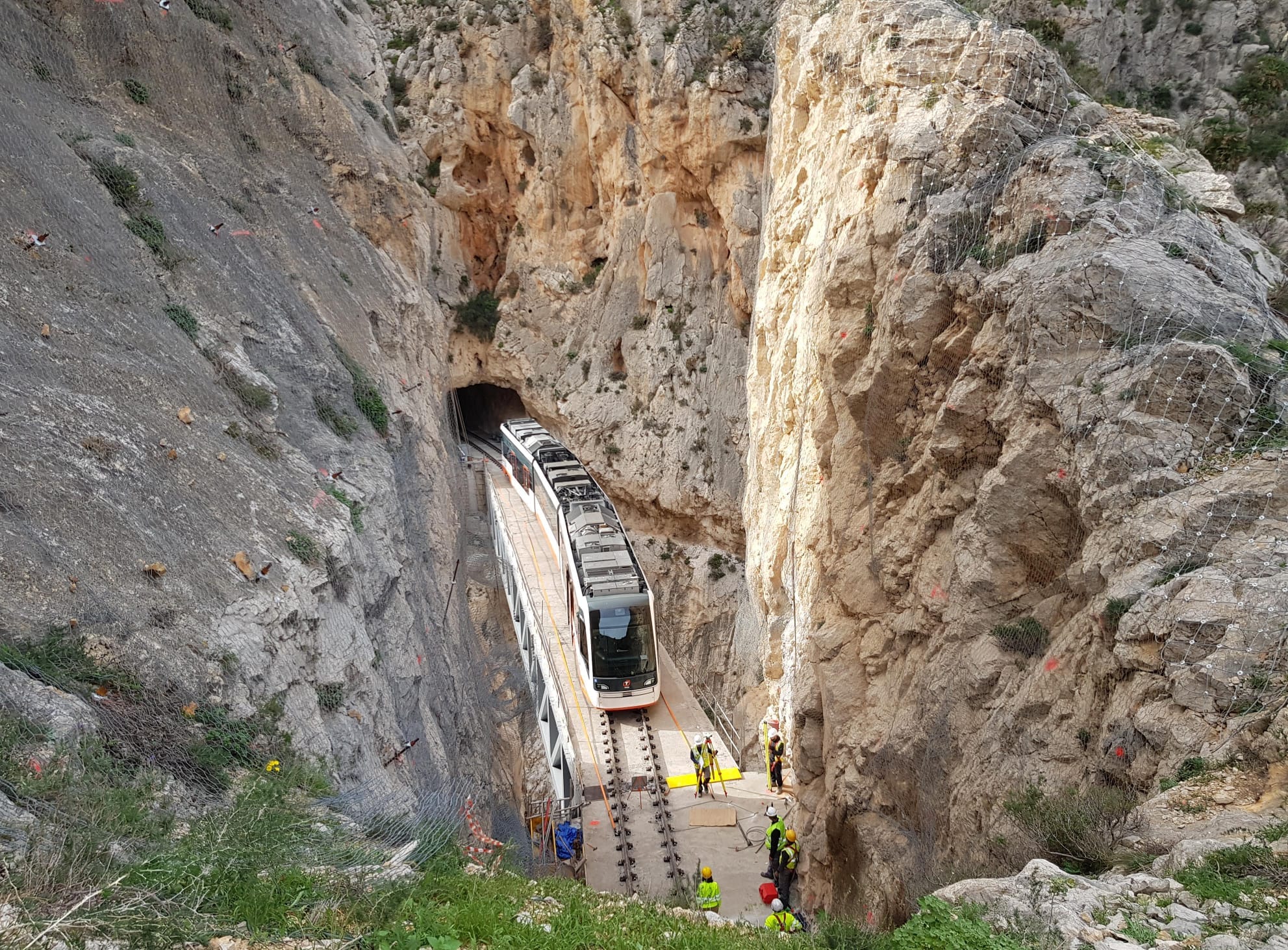
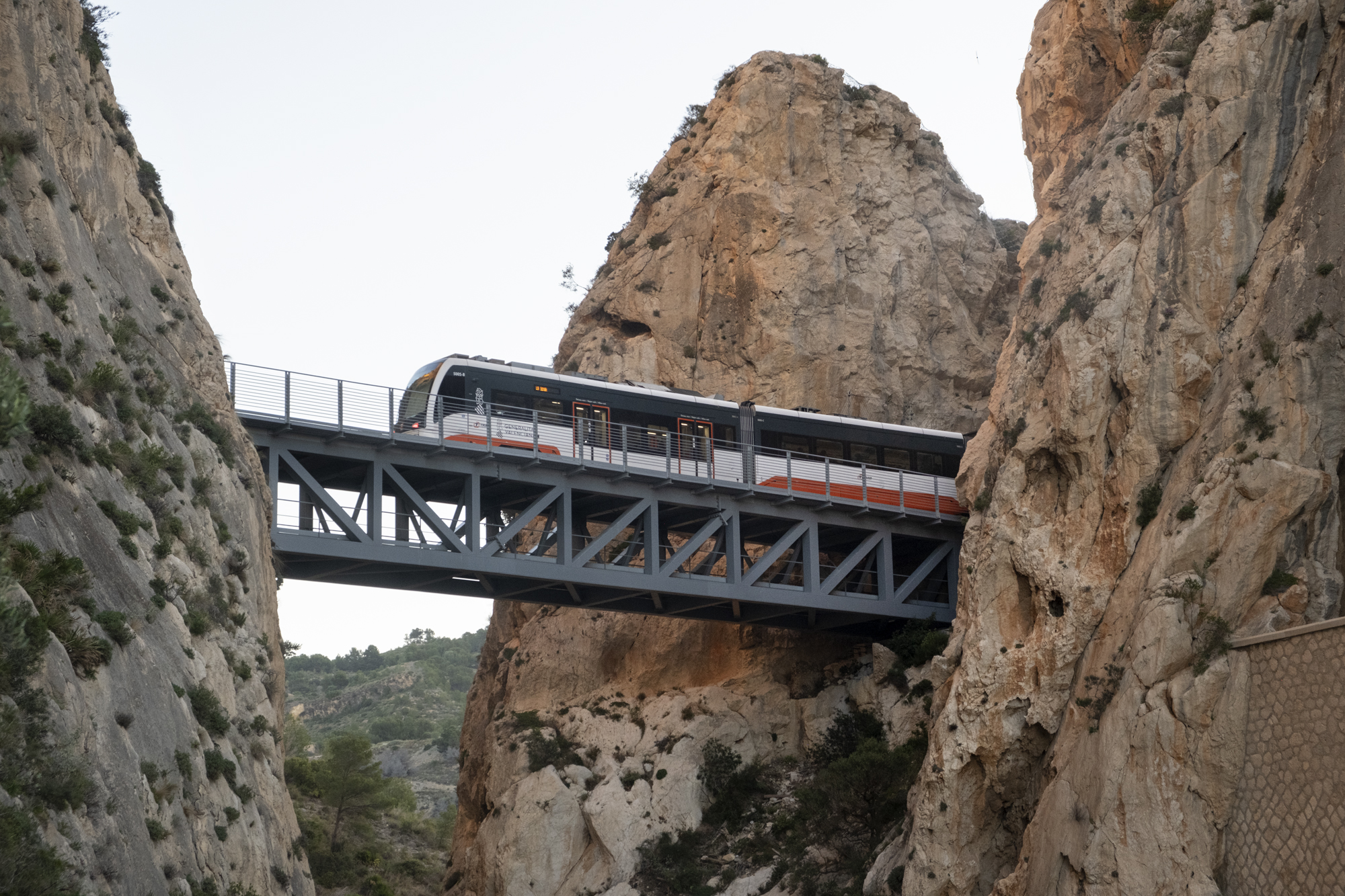
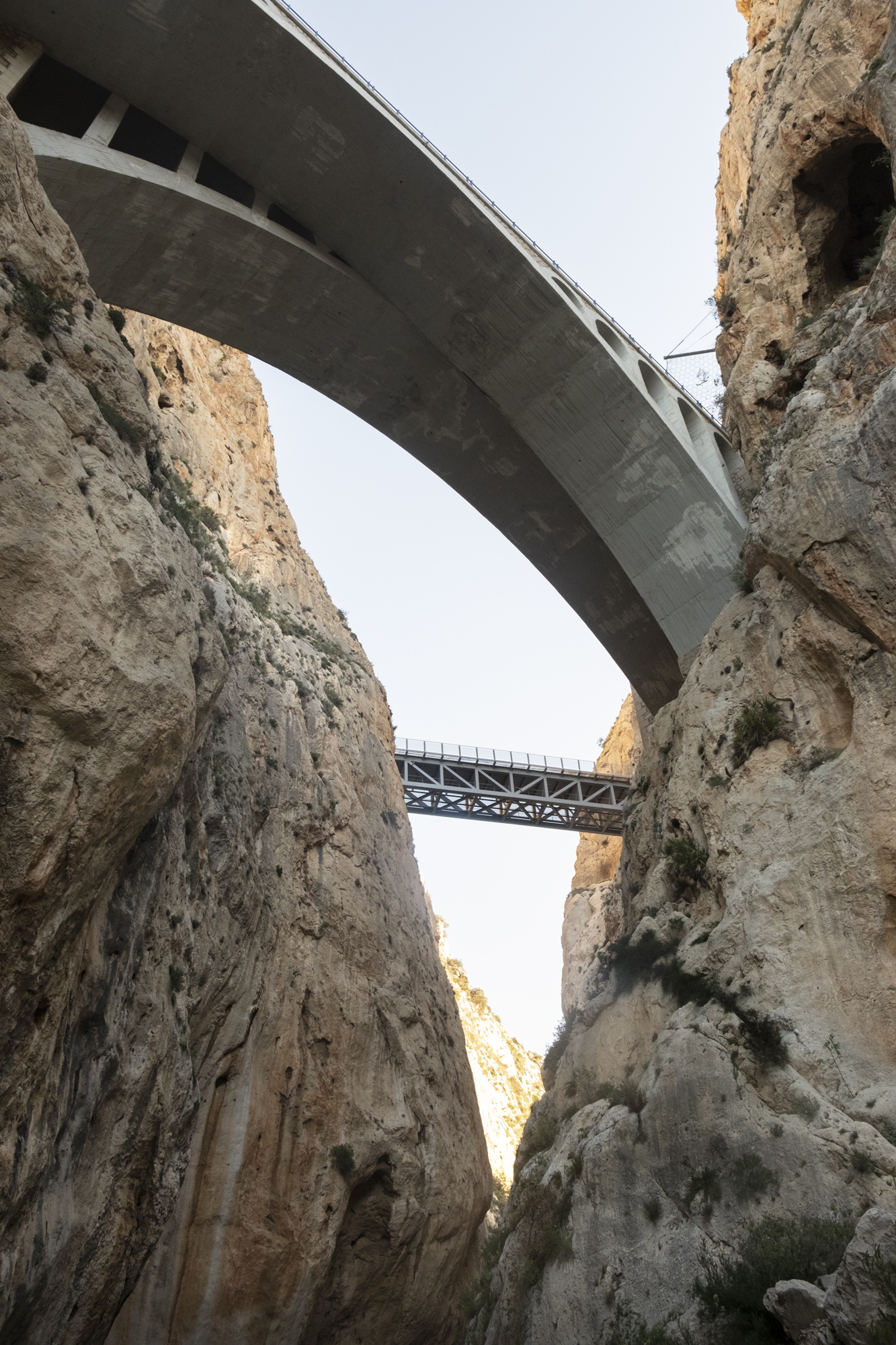
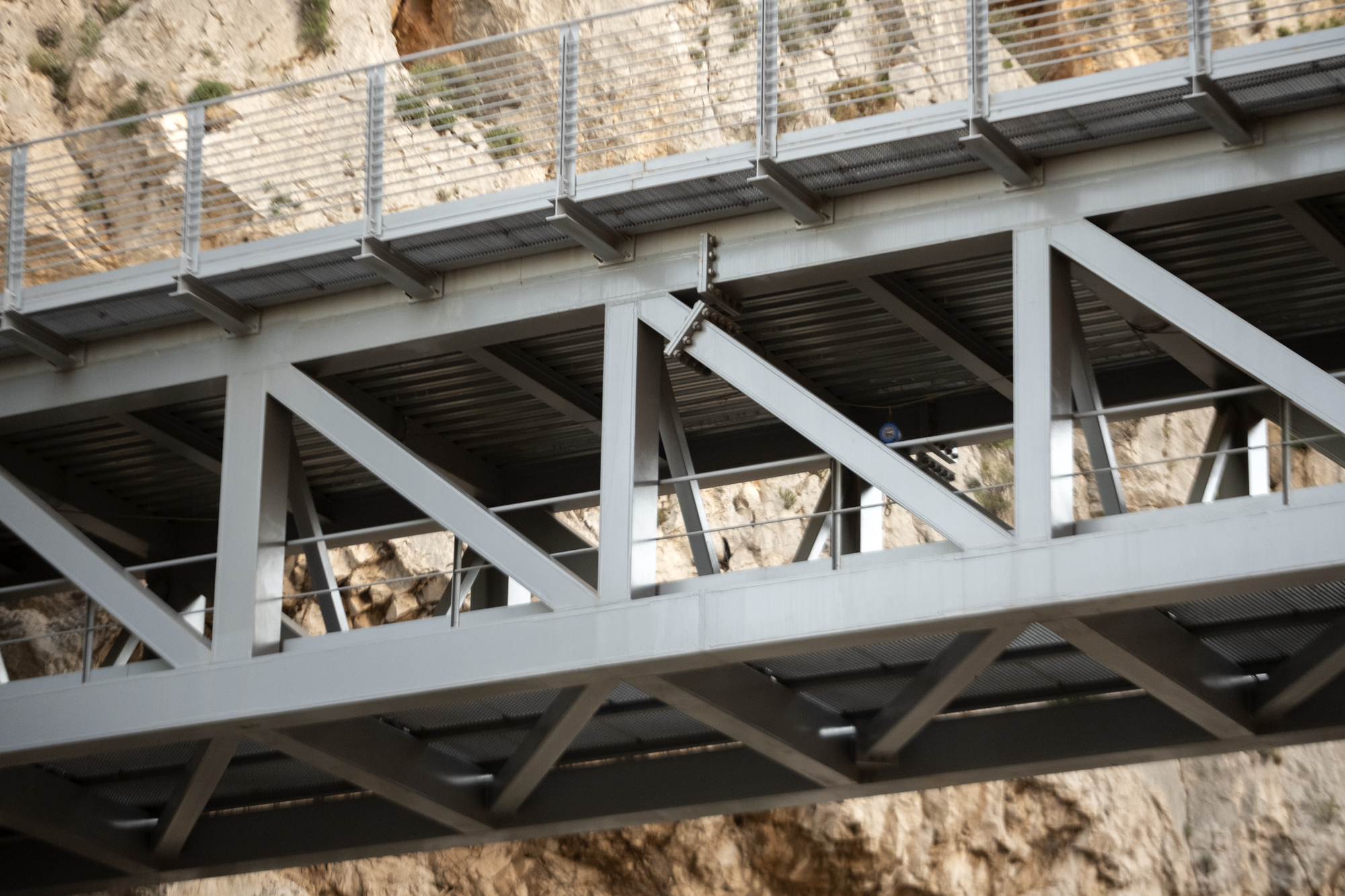
The Mascarat viaduct was a metal-deck, single-span isostatic bridge with a 43.20 m span, which bridged the narrow Salat ravine between two tunnels excavated into the rocky massif, at a height of 40 m above the ground and an altitude of 140 m. The cross-section consisted of two Pratt-type trusses beneath the platform, linked together by transverse joists and lower deck bracing made of angle diagonals forming St. Andrew’s Cross patterns. The platform consisted of wooden sleepers supported directly on stringers, rails, guard rails, and check rails at the bridge entrance and exit.
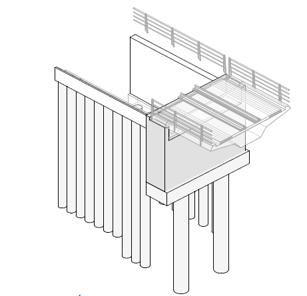
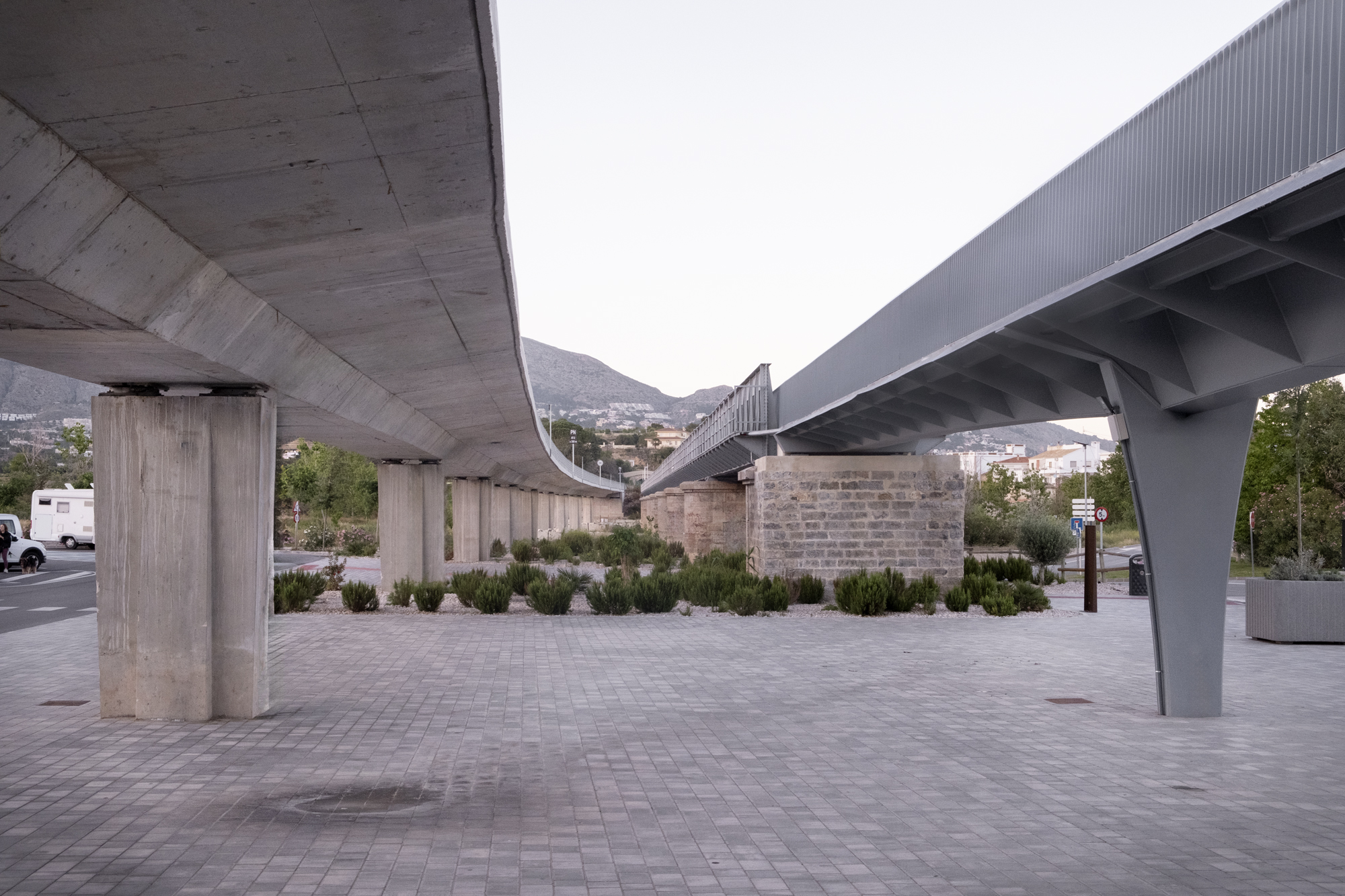
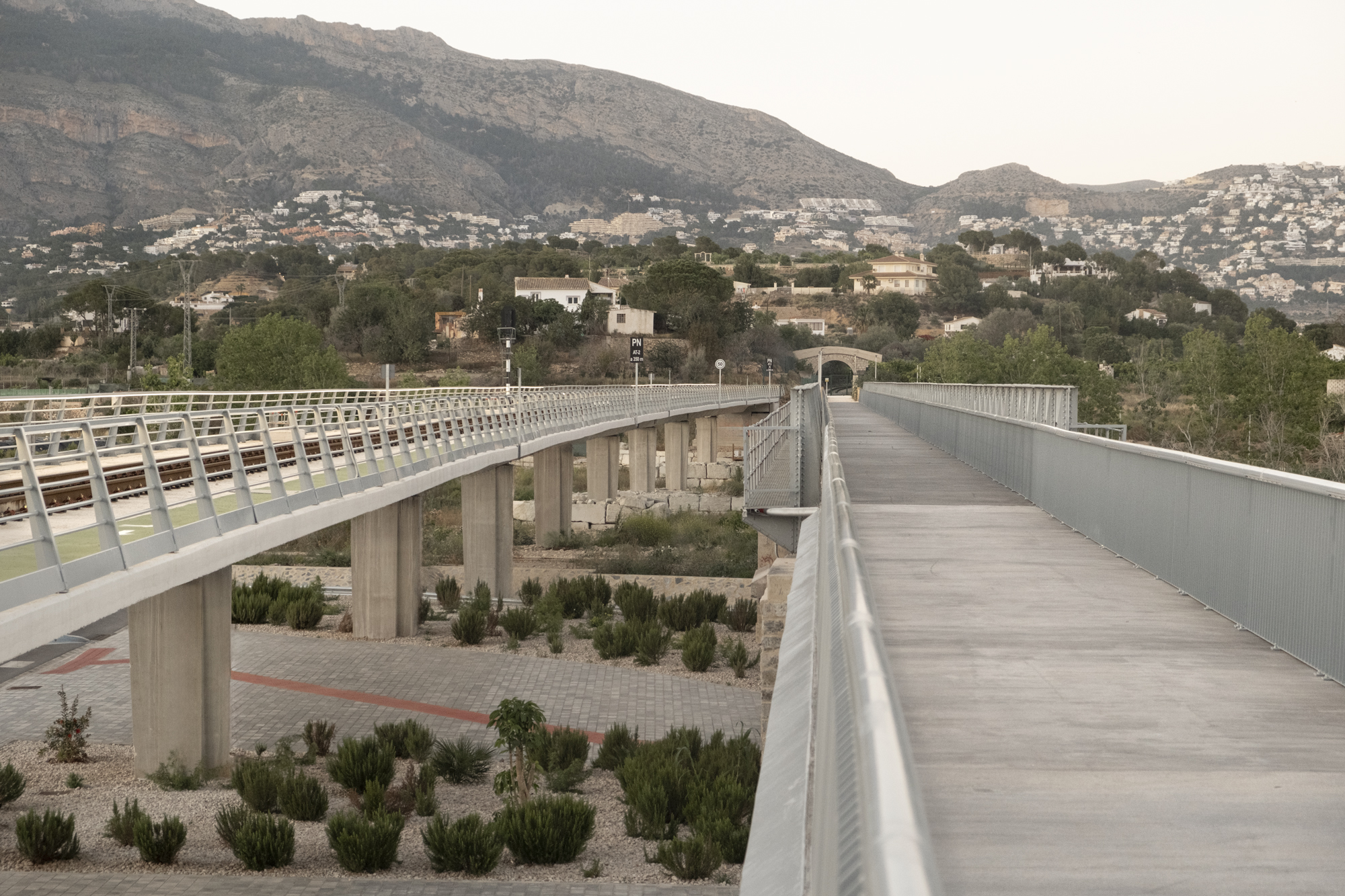
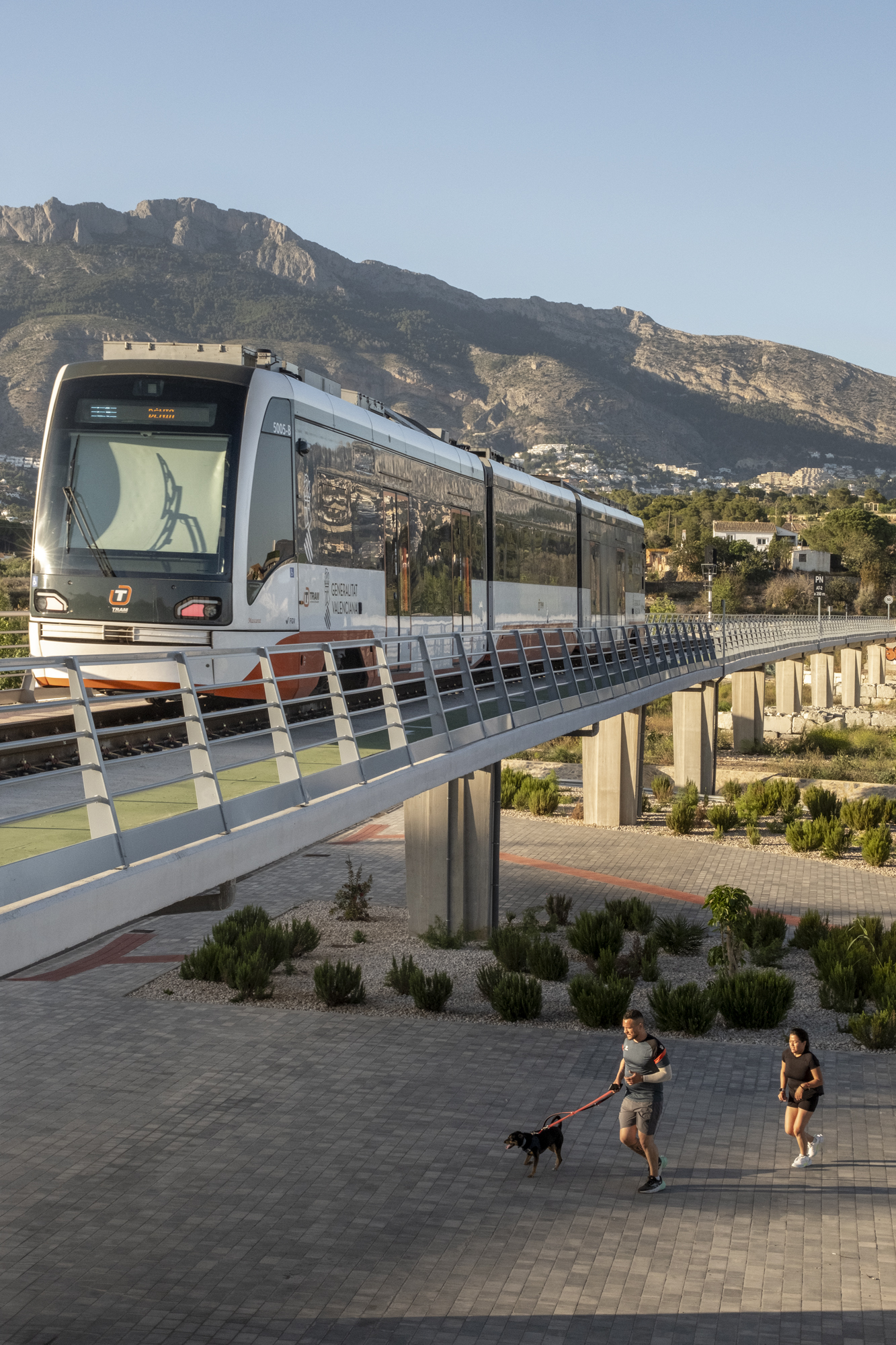
In the case of the Algar viaduct, due to its heritage value, it was decided to preserve the existing bridge as part of a new urban pedestrian route, where it will remain as a walkway. Therefore, the final intervention involved, on one hand, constructing a new prestressed concrete railway bridge parallel to the existing one, and on the other, creating a new pedestrian route at the entrance to Altea that allows crossing the Algar River via the old railway bridge and a new connecting footbridge.
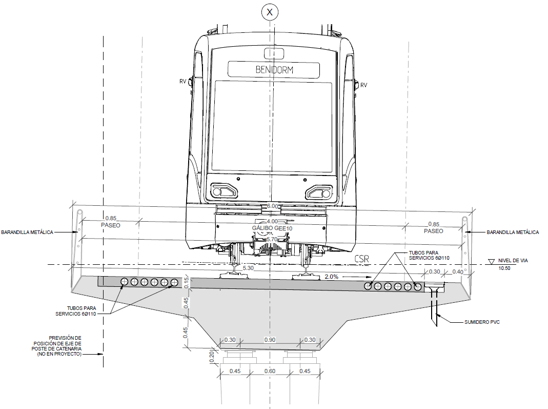
The rail way structure features a slim depth of 90 cm, which requires raising the road level (the profile) by only 35 cm and does not excessively obscure the deck of the current bridge. It was built using falsework, given the limited clearance height below the deck, with portaled supports where necessary for vehicle traffic or the river flow.
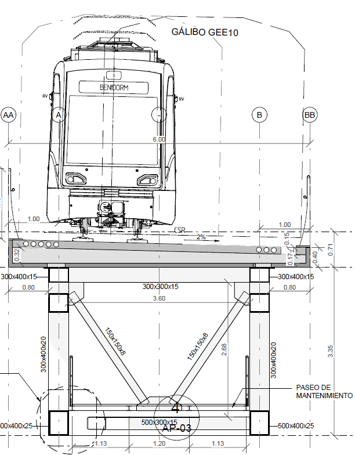
Regarding the Mascarat viaduct, the decision was made to construct a new bridge of a similar typology, while incorporating 21st-century steel technology to mitigate future fatigue issues and ensure an appropriate design life. A unique feature is that the railway layout follows a curved alignment with a 150 m radius, which is inscribed within the straight plan of the viaduct. This curvature requires a deck width sufficient to accommodate service walkways on both sides, ensuring they maintain adequate width throughout the entire structure—including the approaches, where the track is positioned closer to the seaside, and at mid-span, where it is closer to the mountainside. Furthermore, the bridge’s challenging location made the construction process a major engineering feat.