
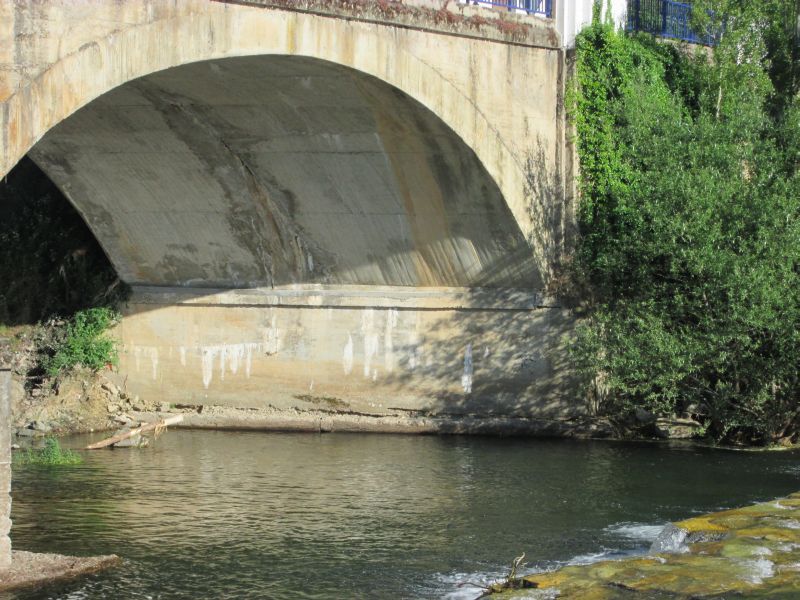
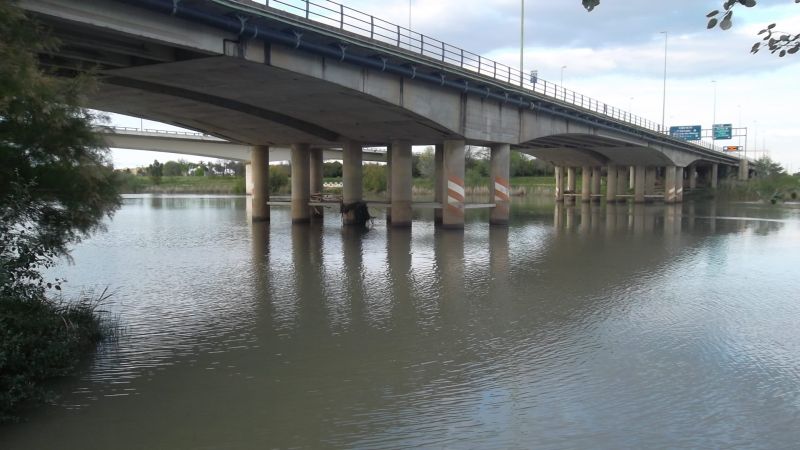
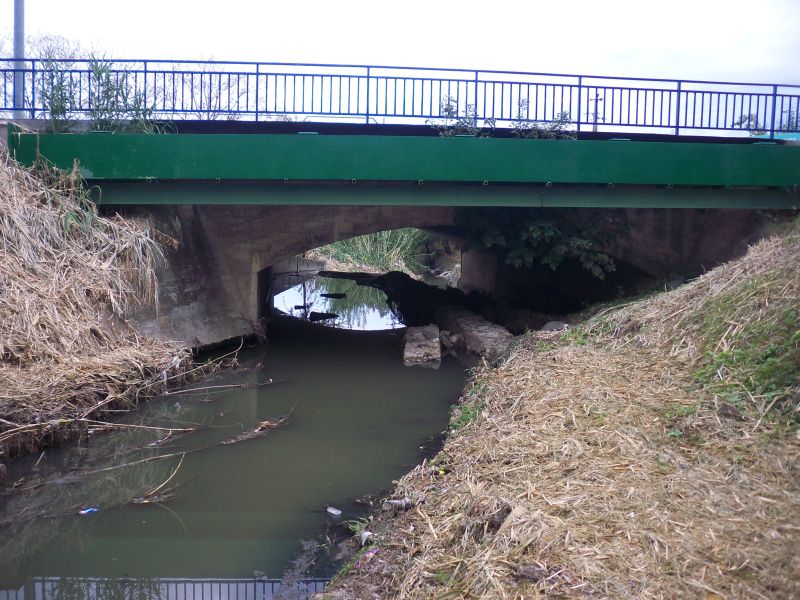
Scour is one of the most critical deterioration mechanisms affecting bridges crossing rivers and streams. Although relatively infrequent, it can severely compromise the stability of bridge foundations and is responsible for approximately 30% of bridge collapses worldwide. Detecting scour is particularly challenging because erosion processes typically develop below the water surface and are often not visible during conventional visual inspections.
To improve the early identification of scour-related risks and optimize the planning of underwater inspection campaigns, the Ministry of Transport and Sustainable Mobility (MITMS) commissioned INES to develop a machine learning-based methodology to assess scour vulnerability across bridges located over watercourses within the Spanish State Highway Network.
To support this effort, INES designed a comprehensive data architecture integrating information from multiple sources. In addition to data available through MITMS’s Bridge Management System (SGP)—including bridge inventory records, historical principal inspection results, and watercourse inspection records—the project incorporated hydrological data provided by the Ministry for Ecological Transition and Demographic Challenge (MITECO), climate information from the Copernicus program, and geological and geotechnical data from the Geological Survey of Spain (IGME). The resulting analytical framework initially consolidated more than 1,700 descriptive variables related to bridge characteristics, river geometry and morphology, hydraulic conditions, existing protection measures, foundation geotechnical properties, and local climatic conditions.
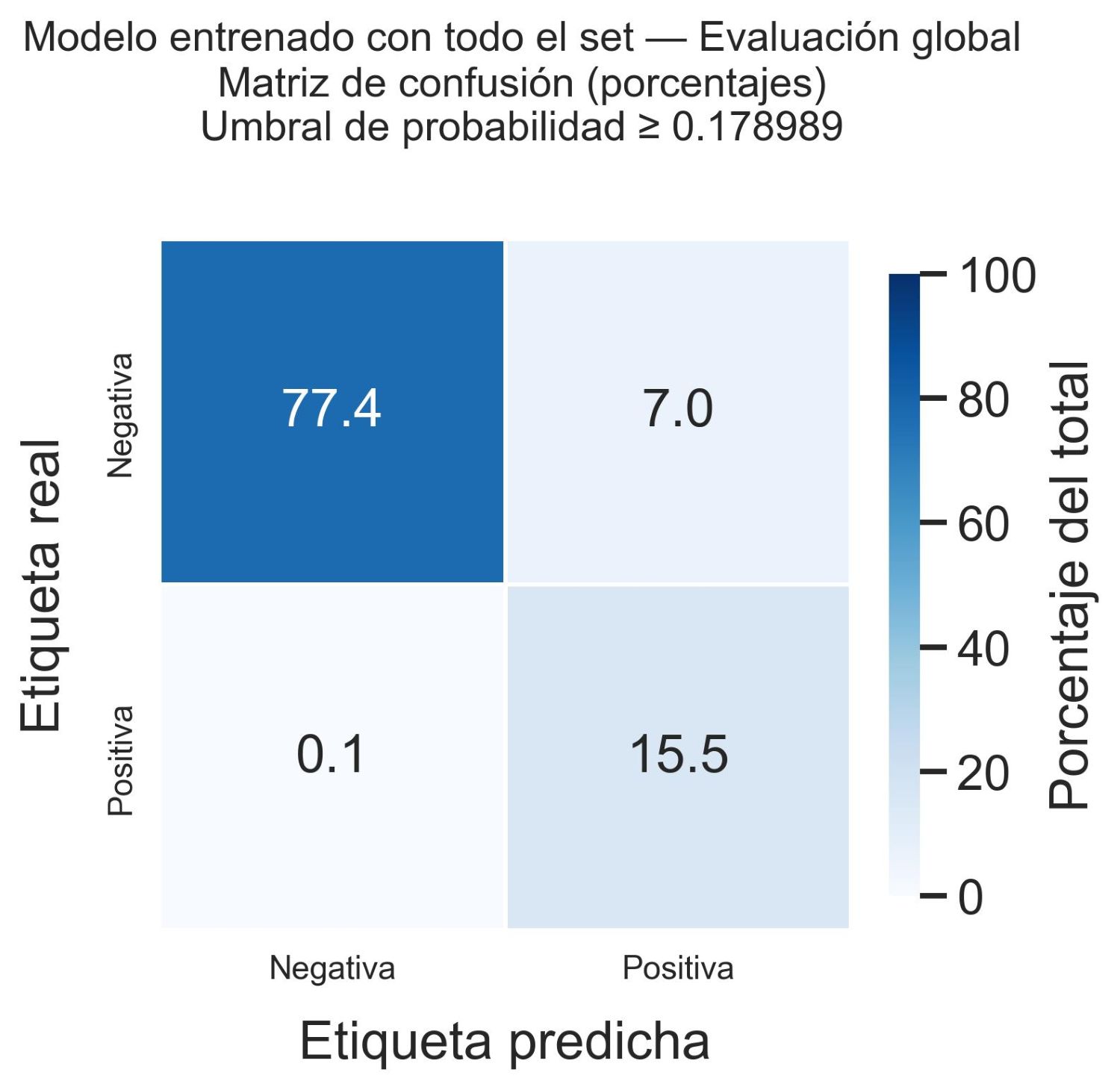
Based on this integrated dataset, INES developed an advanced Hurdle machine learning model, specifically designed to address highly imbalanced problems such as scour assessment, where the vast majority of structures show no visible signs of deterioration while a relatively small number concentrate the most critical cases. The model combines two Gradient Boosting algorithms: a first-stage classifier that estimates the probability of scour occurrence and a second-stage regressor that predicts scour severity through a Scour Index ranging from 0 to 100, where 0 represents the absence of scour and 100 represents bridge collapse due to scour failure.
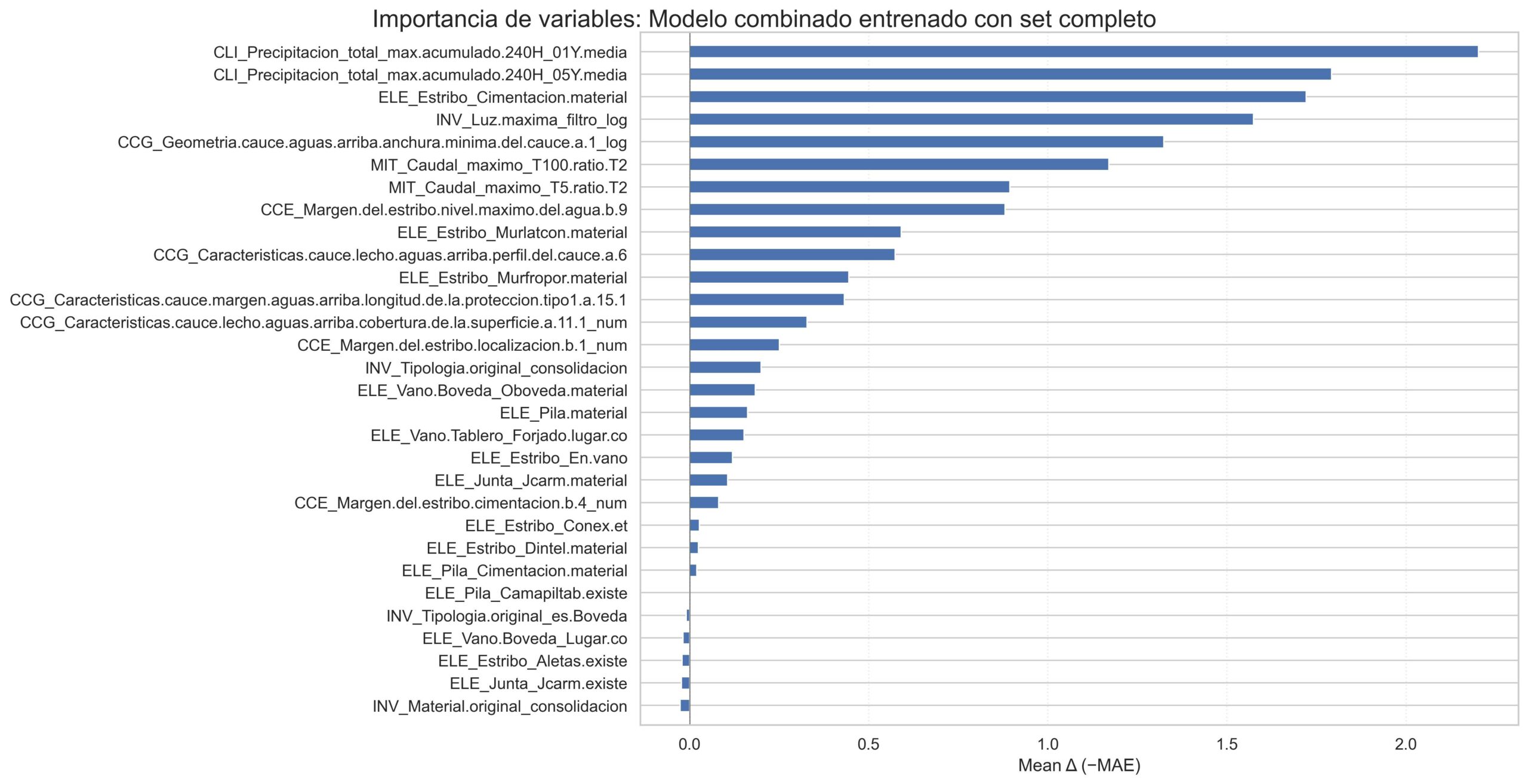
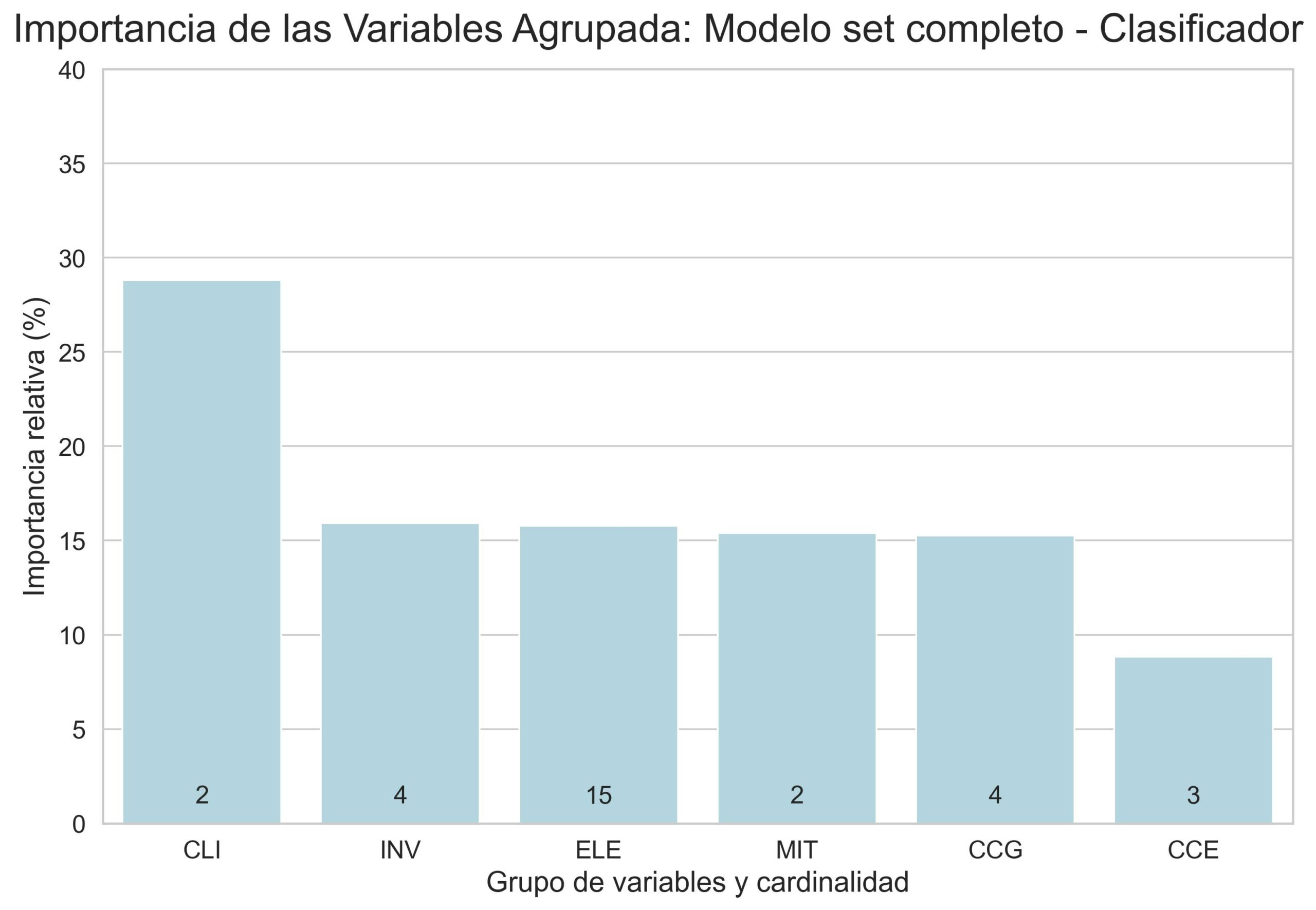
Model development involved an iterative process of feature engineering, variable selection, hyperparameter optimization, and cross-validation. More than 1,700 initial variables were systematically reduced to a final set of 30 high-value predictors with the greatest explanatory power. Among the most influential factors identified by the model were river geometry, channel width, bed material and morphology, bank conditions, maximum water levels observed at abutments, extreme precipitation events, and peak discharges associated with different return periods.
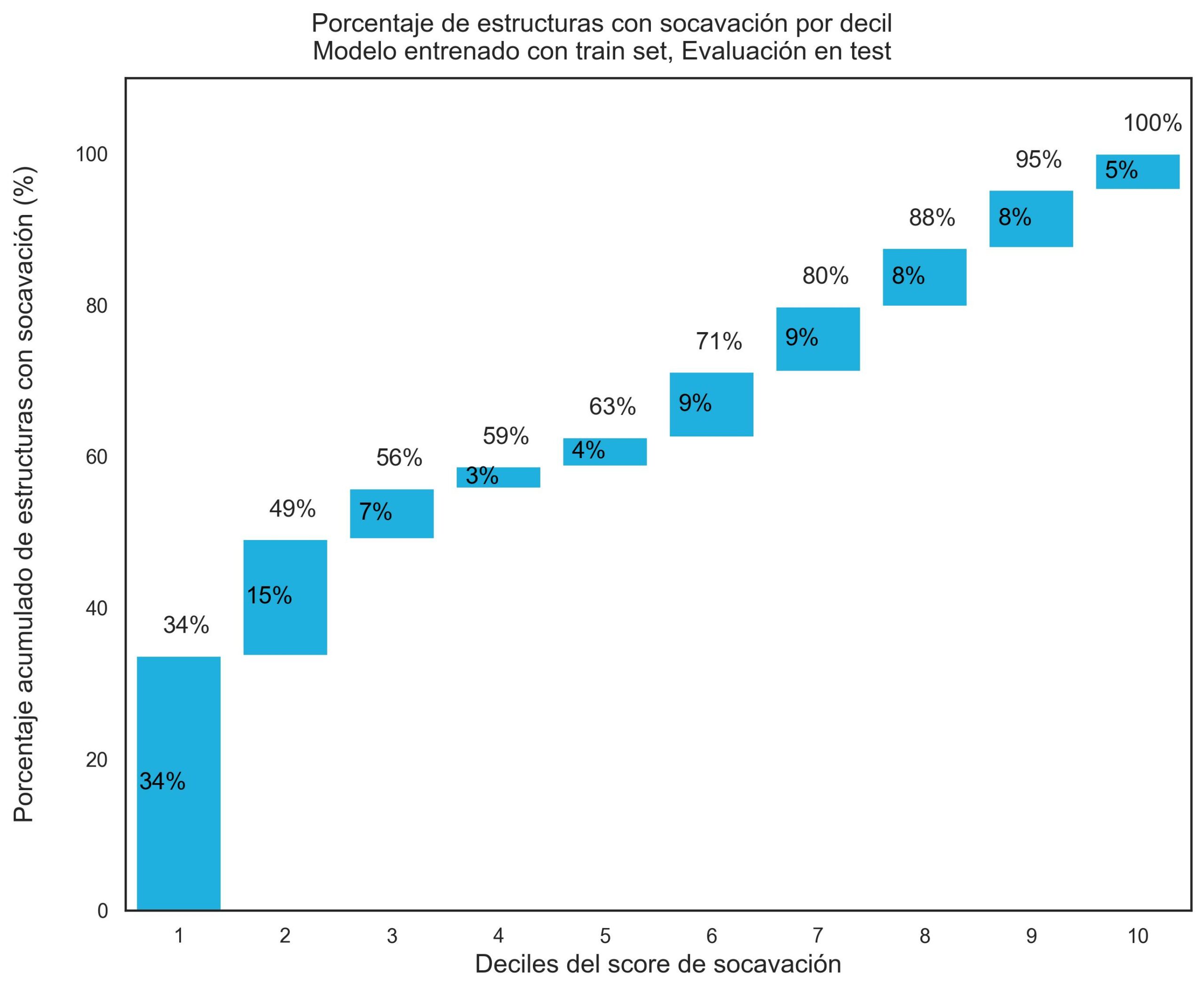
The results demonstrated the potential of advanced analytics to complement conventional bridge management practices. The model achieved an AUC of 0.786 for scour detection and reduced prediction error by 26.6% compared with a baseline reference model, providing a robust network-level assessment of scour risk across the bridge inventory.At the same time, the project highlighted the inherent challenges associated with modeling low-frequency deterioration mechanisms, where affected structures represent only a small proportion of the overall bridge population and where the deterioration itself is often difficult to observe and quantify through routine inspections.
Beyond the performance of the model, the project provided valuable insights into the factors that influence scour vulnerability and underscored the importance of maintaining high-quality, reliable, and consistently collected inspection and inventory data. The experience confirmed that machine learning techniques do not replace engineering judgment or specialized inspections; rather, they serve as complementary tools that help extract greater value from existing data, identify patterns that may not be apparent through conventional analyses, and support more informed planning of inspections and maintenance interventions.
The study also identified opportunities to strengthen traditional inspection and condition assessment methodologies, particularly with regard to the characterization of hydraulic, geomorphological, and geotechnical factors that influence scour processes. As such, the project delivered not only a decision-support tool for risk-informed bridge management, but also practical insights that can contribute to the continuous improvement of bridge inspection programs and asset management practices. Ultimately, the work supports a more evidence-based approach to maintenance planning, enabling infrastructure managers to make better-informed decisions while recognizing both the capabilities and limitations of data-driven models.
To provide the best experiences, we use technologies like cookies to store and/or access device information. Consenting to these technologies will allow us to process data such as browsing behavior or unique IDs on this site. Not consenting or withdrawing consent, may adversely affect certain features and functions.